
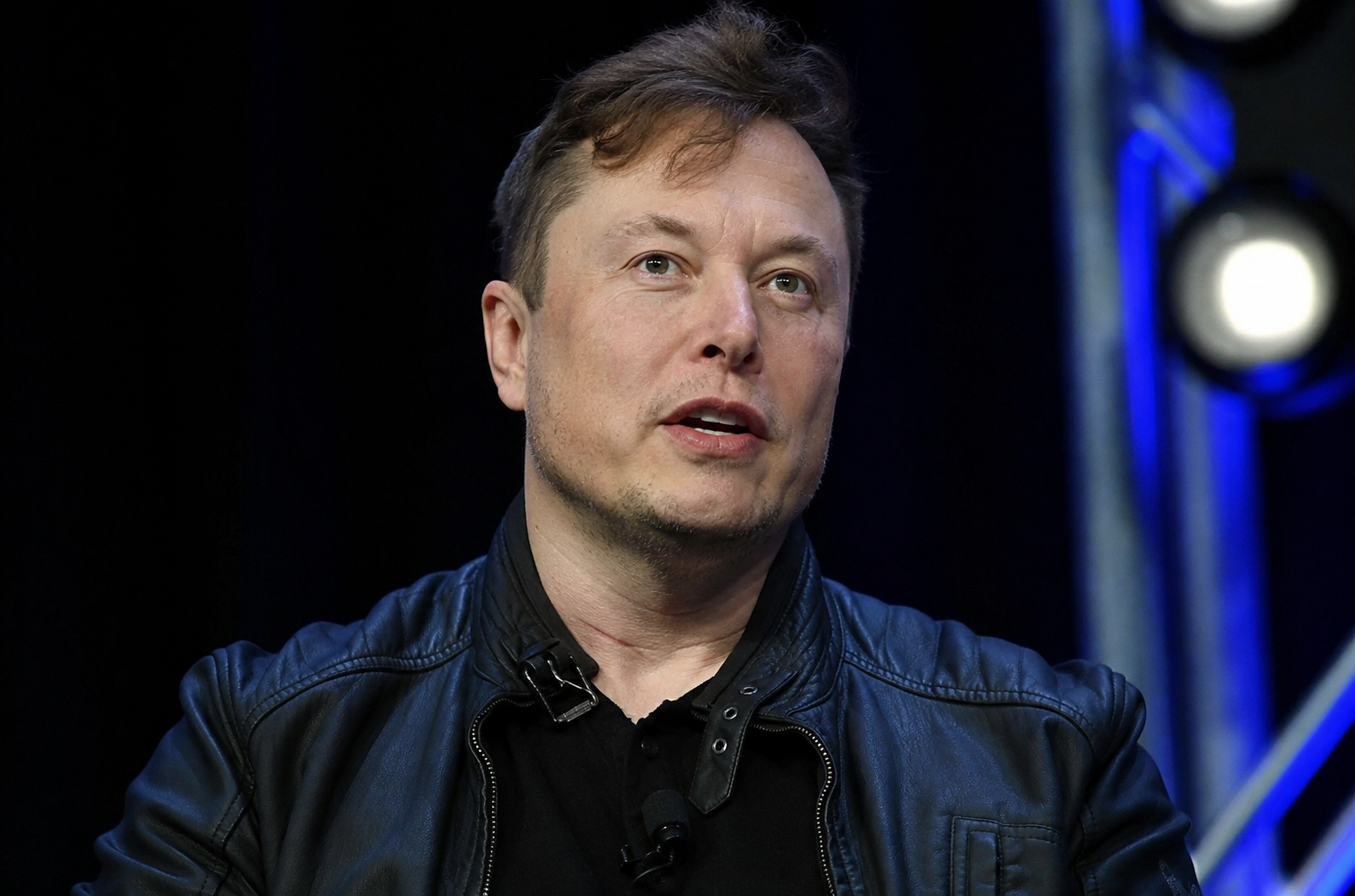
Chief executive compensation at S&P 500 companies reached a record high in 2025 as boards increasingly adopted large performance-based pay packages modeled on Elon Musk’s compensation plans, according to a new study by the American Federation of Labor and Congress of Industrial Organizations (AFL-CIO).
The labor federation’s annual Paywatch report, cited by Reuters, showed that average compensation for S&P 500 chief executives rose 21% to $22.8 million last year, excluding Musk’s pay.
It marked the highest average since the AFL-CIO began tracking executive compensation in the 1990s.
When Musk’s latest Tesla compensation package is included, average CEO pay across the index surged to $340.1 million.
Musk’s pay package influences boardrooms
The AFL-CIO said the sharp increase was driven by a growing number of mega-pay packages inspired by Musk’s compensation structure at Tesla.
Shareholders of the electric vehicle maker approved a restricted stock plan valued by the company at $158 billion last November.
Musk also stands to receive compensation worth as much as $1 trillion if all long-term performance targets are achieved. Separately, his stake in SpaceX helped make him the world’s first trillionaire.
Musk’s compensation has become an influential reference point for corporate boards designing executive pay packages, according to labor officials.
“Musk’s pay changes the dynamic when other CEO compensation plans come up, boards use it as a reference,” AFL-CIO Secretary-Treasurer Fred Redmond said in a telephone interview with Reuters.
Supporters of such compensation structures argue they closely align executive rewards with shareholder value creation and encourage long-term performance.
Institutional investors have largely continued to back executive pay proposals.
According to compensation consulting firm Semler Brossy, average shareholder support for advisory “say on pay” resolutions at S&P 500 companies stood at 90.6% through late June, up from 89.4% for all of 2025.
Pay gap widens as workers face pressure
The AFL-CIO report also highlighted a widening gap between executive and employee compensation.
Excluding Musk’s Tesla package, the average CEO-to-worker pay ratio increased to 312:1 last year from 285:1 in 2024.
Including Musk’s compensation, the ratio surged to 5,387:1.
Redmond said workers remain frustrated as wage growth fails to keep pace with the rising cost of living while artificial intelligence and labor policies create additional uncertainty.
“As we talk to our members, they’re pissed off over what’s happening to them, and they feel as though they should be more vocal in terms of calling attention to inequality,” Redmond said.
He added that union representation has reached its highest level in 16 years.
The debate over executive compensation has become increasingly intertwined with broader concerns over affordability, housing costs and healthcare expenses in the United States.
According to Labor Department data, mean annual wages for all US workers rose 3% year-on-year to $69,770 as of May 2025.
Special awards draw investor scrutiny
While shareholders generally approve annual executive compensation plans, investors have become more skeptical of large one-time retention awards.
Semler Brossy described such awards as “a hot-button issue,” noting that they often sit outside regular annual compensation programs.
Among notable examples, Goldman Sachs awarded Chief Executive David Solomon $118.9 million last year, including a substantial retention award.
The package received support from 71% of votes cast, below the average level of shareholder approval.
Responding to the vote, Goldman Sachs spokesperson Tony Fratto said, “We’re very pleased with the strong supermajority this vote received.”
Real estate investment trust Welltower awarded Chief Executive Shankh Mitra a compensation package worth $821 million that is intended to cover most of his pay over the next decade.
The proposal received support from only 19% of votes cast.
A Welltower spokesperson said the company’s board and compensation committee remain committed to engaging with shareholders and gathering feedback.
The spokesperson added that Mitra would receive the full amount only if he achieves all required performance targets.
The latest AFL-CIO findings suggest executive pay continues to climb even as debates over income inequality, corporate governance and the balance between shareholder returns and employee compensation intensify.
The post Elon Musk-inspired pay packages push S&P 500 CEO compensation to record high appeared first on Invezz
